Top Hair Specialist in Indore, Best Hair Doctor in Indore, Over 17 Years of Experience

Best Hair Loss Treatment In 2026
Hair is not simply an aesthetic characteristic; but it is the manifestation of our health and self-confidence. However, to many individuals, issues pertaining to hair, such as loss of hair, dandruff, or scalp infections, can be a source of agony.
HAIR FALLHAIR LOSS
Dr. Shreyas Bansal
9/30/20262 min read

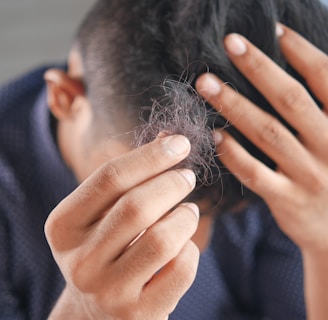
Best Hair Loss Treatment in 2026: Causes, Symptoms and Treatment
Hair loss is one of the most common hair and scalp concerns affecting both men and women. Losing some hair every day is normal, but excessive shedding, visible thinning, receding hairlines, or bald patches may indicate an underlying condition. Finding the Best Hair Loss Treatment in 2026 starts with identifying the reason behind the hair loss rather than treating every case in the same way.
What Causes Hair Loss?
Hair loss can develop for many different reasons. Some of the most common causes include:
Genetics: Hereditary hair loss, also called androgenetic alopecia, is a common cause of gradual thinning and pattern baldness.
Hormonal Changes: Thyroid disorders, PCOS, pregnancy, childbirth, and menopause can contribute to changes in hair growth.
Stress and Illness: Significant physical or emotional stress, fever, surgery, or illness may trigger temporary excessive shedding known as telogen effluvium.
Nutritional Deficiencies: Low levels of iron and other essential nutrients may contribute to hair shedding in some people.
Autoimmune Conditions: Conditions such as alopecia areata can cause sudden, patchy hair loss.
Scalp Conditions: Dandruff, seborrheic dermatitis, fungal infections, and folliculitis may affect scalp health and hair growth.
Hair Damage: Excessive heat styling, chemical treatments, tight hairstyles, and repeated hair processing can contribute to breakage and thinning.
Common Symptoms of Hair Loss
Hair loss can appear differently depending on its cause. Common signs include:
Increased hair shedding while washing or combing
Gradual thinning of hair
A widening hair part
Receding hairline or thinning at the crown
Round or irregular bald patches
Broken or weakened hair
Itching, scaling, redness, or inflammation of the scalp
Changes in hair texture or density
Sudden, severe, or patchy hair loss should be evaluated by a qualified healthcare professional.
How Is Hair Loss Diagnosed?
A proper diagnosis is an important part of choosing an appropriate hair loss treatment. A consultation may include an examination of the scalp and hair pattern, medical and family history, and a trichoscopy to examine the scalp and hair follicles more closely.
Depending on the symptoms, blood tests may also be recommended to evaluate factors such as thyroid function, iron status, nutritional deficiencies, or hormonal concerns. In selected cases, a scalp biopsy may be required.
Best Hair Loss Treatment in 2026
It is hard to say what the Best Hair Loss Treatment in 2026 as it may vary depending on the cause and diagnosis of hair loss in a particular case.
Depending on the conditions diagnosed, the best treatments may include topical drugs, prescription drugs, treatment of underlying medical or nutritional problems, steroid-based therapies for autoimmune conditions, PRP procedures, hair transplants, and others.
In addition to medical treatments, diet, stress levels, quality of sleep, and proper hair-care routines may play an essential role in managing the condition.
Conclusion
Thus, in a nutshell, the Best Hair Loss Treatment in 2026 would be the one that addresses the specific cause and symptoms of hair loss in a particular case. A qualified doctor will determine the underlying reason for your case and prescribe an individual treatment plan. Remember that any persistent changes in your hair should be brought to a professional’s attention for correct diagnosis and prompt treatment.
Care
Dr. Shreyas Bansal has over 46 years of experience in promoting hair health and wellness. At Dr. Bansal’s Homeopathy Clinic, located at 2 Manish Bagh, Sapna Sangeeta Road, Indore, we provide personalised care to strengthen your hair, improve scalp health, and restore confidence naturally.
Home-About-Treatment-Results-Contact
© 2026 Hairfall.ai-Root-cause scalp diagnostics at Bansal's Clinic.
Dr. Bansal's Hair Clinic